Best Practices for Trust Distribution Minutes
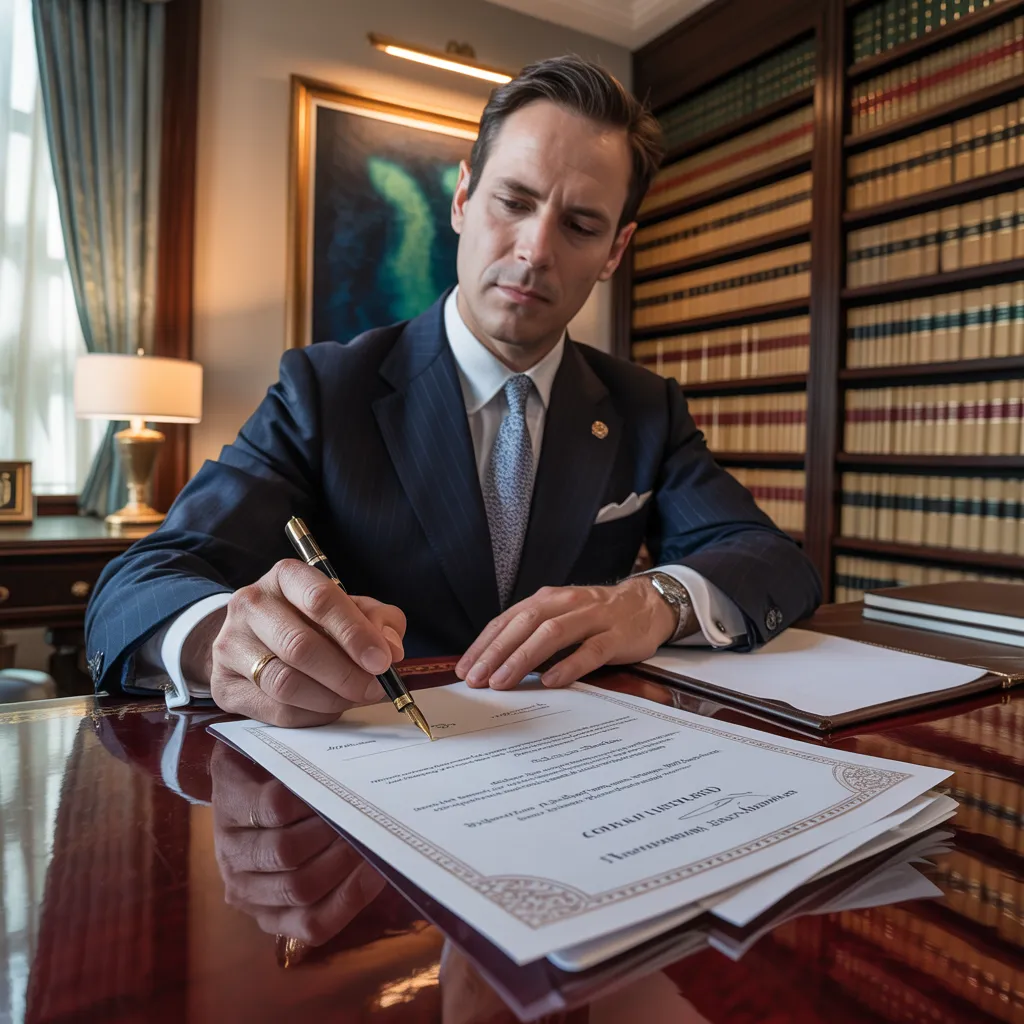
Trust distribution minutes represent a vital role in effective trust oversight. They act as a documented record of choices made regarding asset distributions and guarantee transparency among parties involved. A thoughtfully designed approach not only clarifies the dispersal process but also cultivates answerability. Yet, many trust administrators overlook key methods that could enhance these minutes. Grasping these leading techniques can greatly impact the effectiveness of trust management and the satisfaction of heirs. What are these fundamental practices?
The Importance of Fiduciary Distribution Documentation: Vital Advantages for Trustees
Although trust distribution minutes may seem like a mere procedural requirement, they serve essential functions for trustees. These minutes act as official records detailing decisions made concerning distributions, guaranteeing transparency and accountability. By documenting the reasoning behind each distribution, trustees can safeguard their interests from potential disputes or legal challenges in the future.
Furthermore, fiduciary allocation minutes promote interaction among beneficiaries and trustees, cultivating trust and insight. They provide a lucid outline of the trust's financial status and distribution rationale, which can serve to manage beneficiary expectations.
Additionally, detailed minutes stand as a reference point for prospective decisions, allowing trustees to maintain alignment in their undertakings. Conclusively, the meticulous recording of these minutes promotes upholding fiduciary liabilities, reinforcing the reliability of the trust administration process. In this respect, abandoning this practice can lead to misunderstandings and complications that may have been easily avoided.
Essential Elements of Trust Distribution Minutes
The indispensable parts of trust distribution minutes hold a significant function in upholding effective management and transparency. Relevant assembly members must to be plainly identified, and detailed circulation protocols lay out a foundation for judgments. Additionally, clear documentation procedures are essential for maintaining trustworthy records and facilitating later use.
Essential Conference Participants
Productive trust distribution meetings copyright on the presence of key stakeholders who contribute to thoughtful choices. Primary participants include the trust custodian, who manages the distribution process, and beneficiaries, whose observations provides valuable knowledge. Legal counsel are essential in ensuring compliance with applicable statutes, while financial experts offer commentary on the trust's financial stewardship and distribution impact. Additionally, any co-trustees should be participating to maintain accountability and mutual decision-making. Stakeholders might feature loved ones or representatives advocating for the beneficiaries' welfare. Each participant's unique perspective enhances the richness of dialogue, verifying that all significant considerations are weighed, ultimately leading to fair and equitable trust distributions.
Complete Flow Regulations
Developing clear distribution guidelines is indispensable for effective trust distribution meetings. These guidelines should outline the criteria for allocations, featuring eligibility and the specific uses for which funds may be assigned. It is important to define the approval mechanism, detailing who has the mandate to sanction disbursements and how decisions will be transmitted to recipients. In addition, provisions should address the frequency of distributions, guaranteeing that beneficiaries have a lucid grasp of when they can expect to access money. By delivering a organized structure, these guidelines help minimize misunderstandings and confirm that payouts correspond with the trust's objectives. Following to these tenets fosters transparency and responsibility among trustees and beneficiaries similarly.

Transparent Filing Guidelines
Meticulous and comprehensive documentation is crucial for preserving clarity in trust distribution meetings. Clear record-keeping systems should include the date, time, and location of the meeting, as well as a list of attendees. Each trust distribution discussed must be recorded with specific details, including the amount distributed, the recipient, and the explanation behind each decision. Additionally, any agreements or objections raised during the meeting should be documented to provide a thorough understanding of the discussions. It is also vital to assign follow-up actions with deadlines to guarantee accountability. By following these documentation practices, trustees can create a dependable record that increases transparency and enables future decision-making processes. This systematic approach ultimately enhances the fiduciary management and participant assurance.
Top Strategies for Creating Strong Trust Distribution Minutes
Preparing effective trust distribution minutes demands precision. A clear purpose statement ensures all parties comprehend the intent behind the distributions, while accurate details about the distributions themselves prevent misunderstandings. These elements are vital for upholding transparency and accountability in the trust administration process.
Transparent Purpose Statement
A thoughtful purpose statement serves as the cornerstone for effective trust distribution minutes, ensuring clearness and precision throughout the file. This statement should unequivocally articulate the objectives of the trust distribution, giving insight for all participants involved. By carefully setting the purpose, it creates a framework that supports discussions and decisions, eliminating ambiguity. It should be to the point yet thorough, showing the aims of the trust and the reasons behind the distributions. Including a purpose statement not only fosters transparency but also enhances accountability among trustees and beneficiaries. A well-defined purpose statement establishes the atmosphere for the meeting, helping participants to synchronize their contributions with the overarching objectives of the trust, ultimately leading to more productive outcomes.
Correct Distribution Specifications
Clear and precise distribution details are fundamental for accurate trust distribution minutes. These details should cover the names and relationships of beneficiaries, specific amounts or percentages to be distributed, and the date of distribution. Accurate records avert misunderstandings and disputes, making certain all parties are informed about their entitlements. In addition, it is beneficial to reference the trust document to confirm the distribution decisions made. Each entry should be dated and signed by relevant parties to increase accountability. Implementing a structured format can support clarity, facilitating easy reference in the future. By following these practices, trustees can copyright transparency, creating trust among beneficiaries while protecting against potential legal challenges. Accurate documentation fortifies the integrity of the trust administration process.
Maintaining and Updating Trust Distribution Records: Best Practices
Efficient management of trust distribution records is essential for upholding transparency and compliance. Routinely modifying these records is important to reflect any changes in distribution decisions, beneficiary information, or legal requirements. Implementing a systematic schedule for examining and updating records helps maintain accuracy and relevance.
Employing digital tools can improve the effectiveness of record-keeping, allowing for quick access and retrieval of information. Secure storage solutions, both physical and electronic, are necessary to protect sensitive data from unauthorized access.
Additionally, records ought to be clear and organized, with each entry offering adequate detail to support the decisions made. This includes noting the date of distributions, amounts, and the reasoning behind each decision.
Training personnel engaged in fiduciary administration on industry standards ensures uniformity and minimizes the likelihood of errors. By adhering to these protocols, trustees can maintain practical guide their fiduciary responsibilities efficiently.
Stay Away From These Typical Pitfalls in Trust Records
Managing trust documentation requires vigilance to avoid usual errors that can undermine its integrity. One frequent mistake is failing to record decisions plainly and immediately. Poor records may lead to disagreements and disputes among beneficiaries. Additionally, inconsistent terminology can cause confusion; using precise, uniform language is crucial for clarity. Another typical error is neglecting to involve all relevant parties in discussions, leading to incomplete records and reduced transparency.
Also, overlooking legal requirements or updates in trust law can put at risk the trust's legal standing. Omitting to review and update documentation regularly may also add to aged or inexact data. Finally, not providing sufficient context for decisions can impede future trustees' comprehension of what the trust intends. By avoiding these mistakes, trustees can make certain that trust documents prove to be resilient and dependable, thereby protecting the interests of all involved parties.
Boosting Interaction Among Beneficiaries Through Minutes
Documenting records of meetings serves as an essential tool for improving interaction among beneficiaries in a trust. By recording the conversations, conclusions, and action items, minutes provide a clear record that can be reviewed by all parties involved. This practice ensures that beneficiaries remain informed about the trust's status and the rationale behind important choices.
Effective minutes can foster transparency, decreasing confusion and possible conflicts among stakeholders. By distributing these records quickly after meetings, all beneficiaries can stay in sync on expectations and duties. Additionally, properly organized records encourage engagement, allowing beneficiaries to feel involved in the trust's administration.
Consistently refreshing and sharing these documents not only promotes accountability but also serves as a historical archive that beneficiaries can consult in the future. Ultimately, improving dialogue through minutes is essential for maintaining trust and cooperation among beneficiaries, enabling a smoother distribution process.
Regular Asked Questions
When Should trust distribution notes Be Updated?
Trust distribution notes should be updated regularly, preferably after each distribution or major determination, to ensure precise documentation. Uniformity in record-keeping facilitates transparency and helps maintain trust among beneficiaries and trustees throughout the process.
Can Beneficiaries Seek Copies of Trust Distribution Minutes?
Beneficiaries are able to request reproductions of trust distribution materials, given that openness is often fostered within trust management. However, the possibility of obtaining these materials could be subject to the precise language included in the trust agreement.
What Takes Place if Minutes Are Not Recorded?
When trust distribution minutes are not appropriately recorded, it may cause beneficiary misunderstandings, possible distribution conflicts, and obstacles in verifying compliance with the trust's terms, ultimately endangering the trust's integrity and administration.
Do Legal Requirements Apply for Trust Distribution Minutes?
Yes, statutory mandates for trust distribution minutes do exist, often varying by jurisdiction. Thorough records ensures compliance with regulations and shields trustees from liability, stressing the importance of maintaining accurate and thorough records during trust distributions.
Who Is Answerable for Documenting the Minutes?
The trustee is usually charged with writing the minutes. This individual must correctly document decisions about trust transfers, ensuring compliance with legal requirements and sustaining transparency for entitled parties and future reference.